Bringing Home a Rescue Pet: The First 7 Days

The First Week Sets the Tone
Whether you adopted from ESMA, a Cairo shelter, or rescued a street cat yourself, the first seven days shape your pet's trust and behaviour for years to come. Patience now prevents problems later.
Before They Arrive
- Prepare a quiet "safe room" — a spare room or bathroom works well
- Have food, water, a litter box (for cats), and bedding ready
- Remove hazards: open balconies, exposed wires, toxic plants
- Book a vet check within the first 2–3 days
Days 1–2: Decompression
Keep your new pet in the safe room. Do not force interaction. Let them explore on their own terms. Many rescues hide at first — this is normal. Sit quietly nearby and speak softly so they associate you with calm.
Days 3–4: First Vet Visit
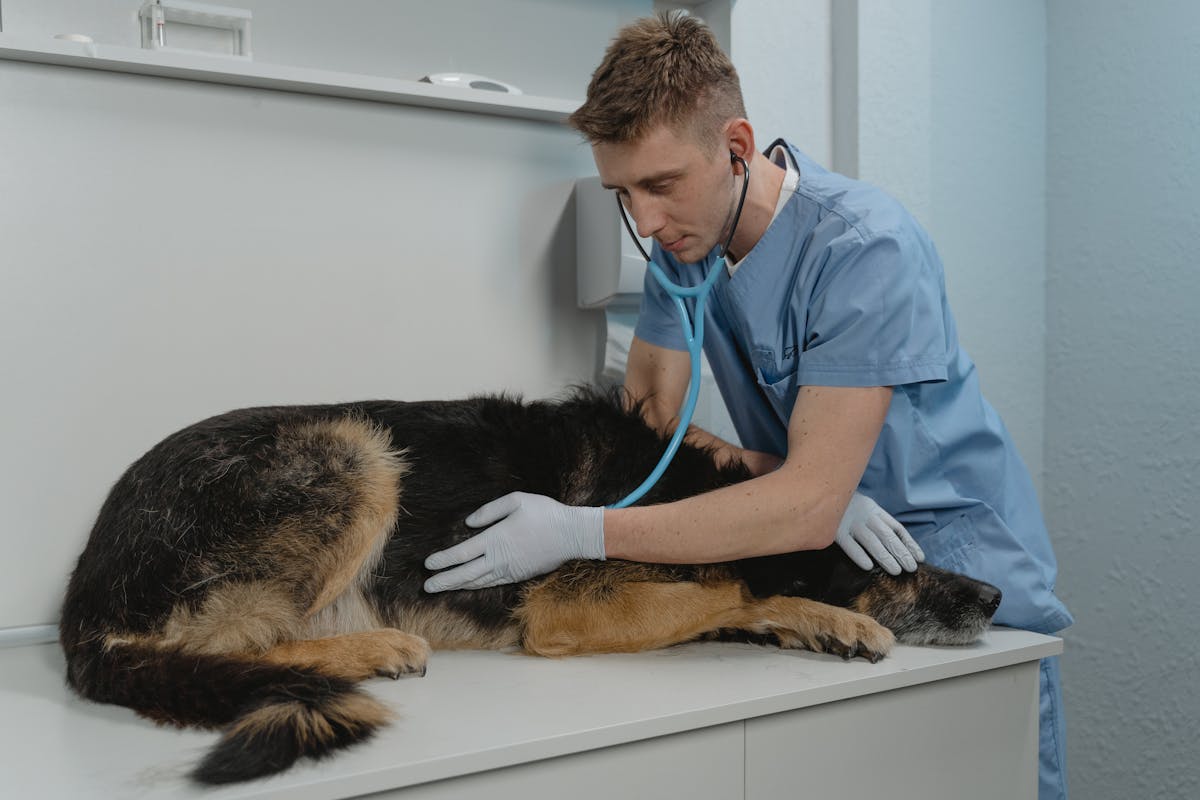
A full health check is essential for any rescue. Ask the vet about deworming, flea and tick treatment, vaccinations, and spaying/neutering. Rescue animals in Egypt commonly carry parasites, so this step protects both your pet and your family.
Days 5–7: Gentle Expansion
Begin allowing supervised access to the rest of the home, one room at a time. Establish a feeding routine — predictability builds security. If you have other pets, introduce them slowly through scent swapping before any face-to-face meeting.
Red Flags to Watch For
- Refusing food for more than 48 hours
- Diarrhoea or vomiting
- Lethargy or laboured breathing
Any of these warrant a same-day vet call. When in doubt, reach out to a trusted clinic in your area.
Be Patient
The "3-3-3 rule" is a useful guide: 3 days to decompress, 3 weeks to learn your routine, 3 months to truly feel at home. Give your rescue the time they need and you will be rewarded with a deeply loyal companion.